2026-11-07 ·
What to Expect From a Real Estate Septic Inspection
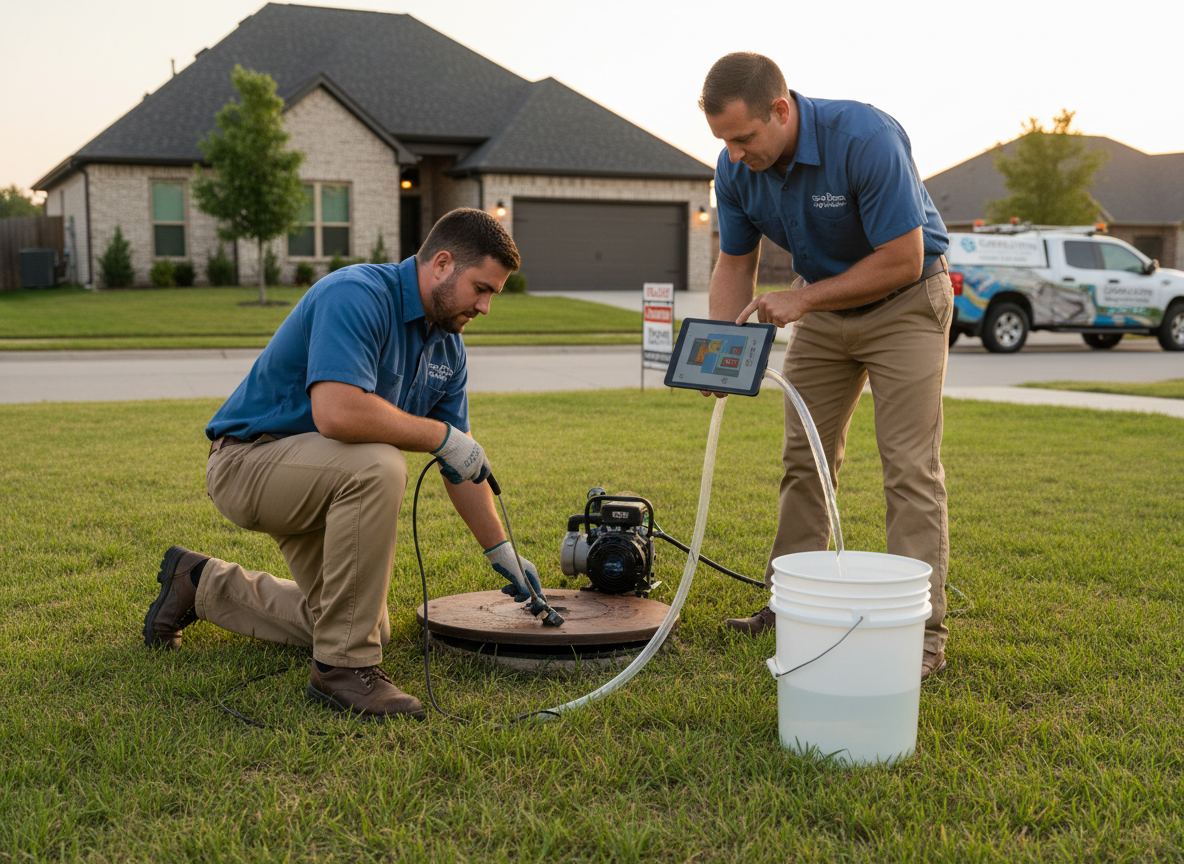
A real estate septic inspection in Carroll County usually lasts 60 to 90 minutes and focuses on the tank capacity, effluent levels, and drain field absorption in red clay soil that holds water after heavy rain. The process begins with locating the tank and ends with a written summary of any visible concerns that could affect the property transfer.
Locating and Accessing the Tank
Inspectors start by finding the septic tank on rural lots where records may be incomplete. They probe the ground or follow sewer lines from the house to expose the lid. In Carroll County properties near the University of West Georgia area, tanks often sit under grass or driveways added after the original installation. Once uncovered, the lid is removed so the inspector can measure sludge and scum layers. This step reveals whether the tank has been maintained or if solids have reached the outlet. Homeowners can prepare by clearing vegetation around the expected tank location to speed access. The inspection also notes any risers or filters that affect future service calls.
Checking Tank Condition and Components
With the tank open, the inspector examines the inlet and outlet baffles for cracks or missing pieces that allow solids to escape. They look at the liquid level to see if it matches the outlet pipe and check for signs of backflow from the drain field. In areas with heavy rain, excess water entering the tank can indicate a compromised lid seal or surface drainage problems common on lots near the Historic Downtown Square. The inspection stops short of pumping unless the owner requests it separately. Links to scheduled maintenance appear in the report when the sludge layer suggests the next service is due soon. This evaluation gives buyers a snapshot of current function rather than a prediction of future performance.
Evaluating the Drain Field
The drain field receives close attention because red clay in Carroll County limits absorption and can lead to saturation during wet periods. Inspectors walk the area looking for wet spots, odors, or grass that grows greener than surrounding lawn. They may probe soil at several points to gauge moisture depth without excavation. Properties in the Maple Street Historic District often have older fields installed before modern sizing rules, so inspectors note the field size relative to the home's bedroom count. Any standing water or effluent surfacing triggers a recommendation for further testing. Readers can review common failure indicators in the post on signs your drain field is failing in Georgia clay for additional context before the inspection.
Documenting Findings for the Sale
At the end of the visit, the inspector compiles notes on tank access, component condition, and field performance into a report buyers and sellers use during negotiations. The document lists observed measurements and any immediate concerns without assigning repair costs. Sellers in Carrollton sometimes schedule a separate pumping visit through the septic tank pumping page to address high sludge levels before closing. Buyers receive guidance on what questions to ask the current owner about past service history. The report becomes part of the real estate file and can be referenced later if the new owners schedule an inspection through the dedicated real estate septic inspection service page.
Preparing for the Inspection Day
Homeowners can help the process by marking the approximate tank location if known and ensuring pets are secured. They should also note any recent heavy rain that might affect field conditions on the day of the visit. Properties along routes toward Bowdon or Roopville often sit on larger lots where multiple tanks or fields exist, so providing a site sketch can prevent extra search time. After the inspection, the report serves as a baseline for any follow-up work such as filter cleaning or riser installation listed on the services page. Keeping records of the inspection supports smoother future transactions when the home changes hands again.